




FLUID
THINKING
Collaborative research has led to the first certification by a major chipmaker for a cooling liquid that could help tackle data centre power demand
In 2024, 78.2% of Shell’s global investments included oil & gas, 11.37% included low-carbon energy solutions and 10.43% non-energy products. Shell’s target is to become a net-zero emissions (NZE) energy business by 2050. Disclaimers, including NZE target: shell.com/disclaimer
In 2024, 78.2% of Shell's global investments included oil & gas, 11.37% included low-carbon energy solutions and 10.43% non-energy products. Shell's target is to become a net-zero emissions (NZE) energy business by 2050. Disclaimers, including NZE target: shell.com/disclaimer
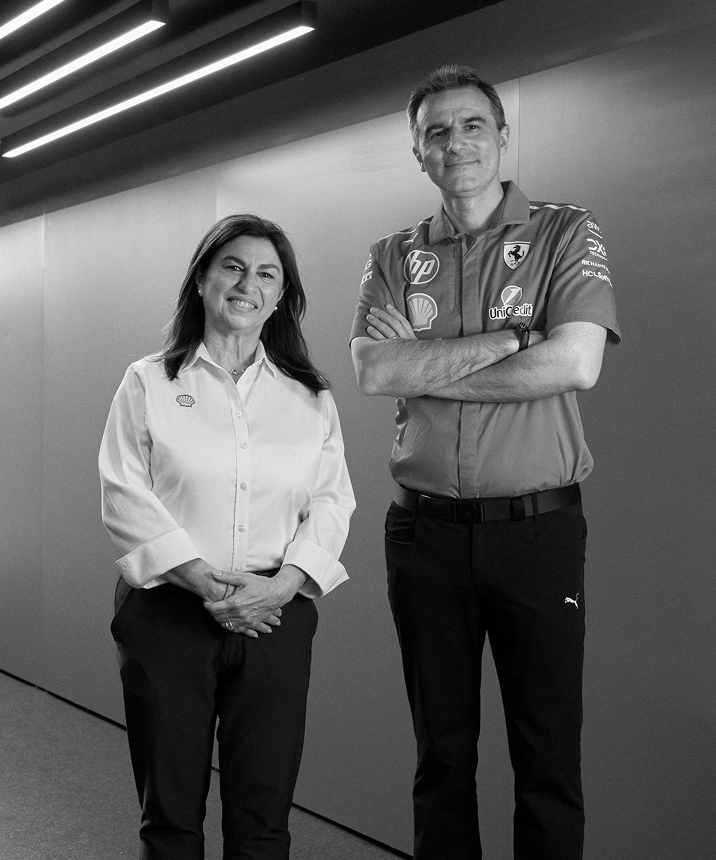
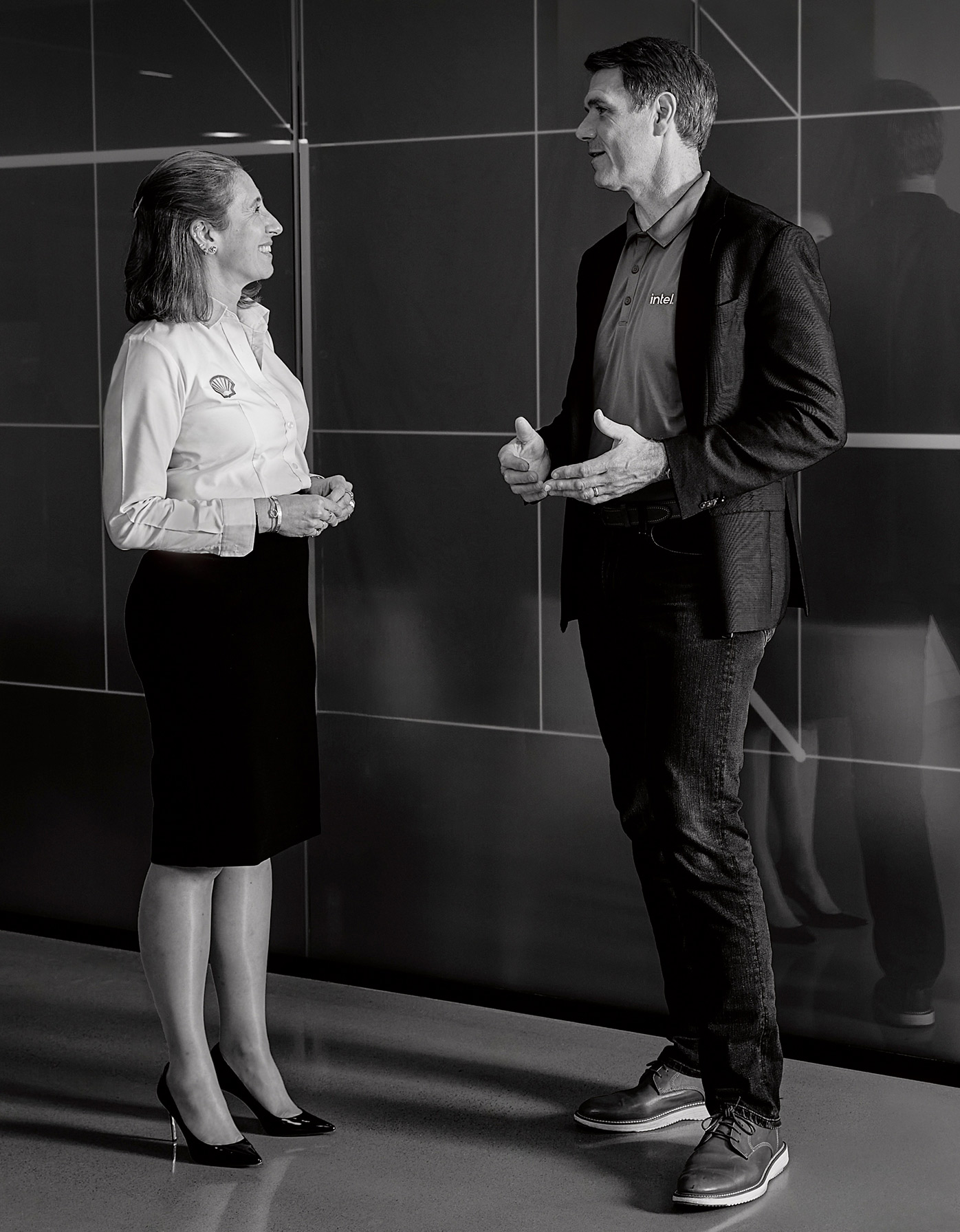
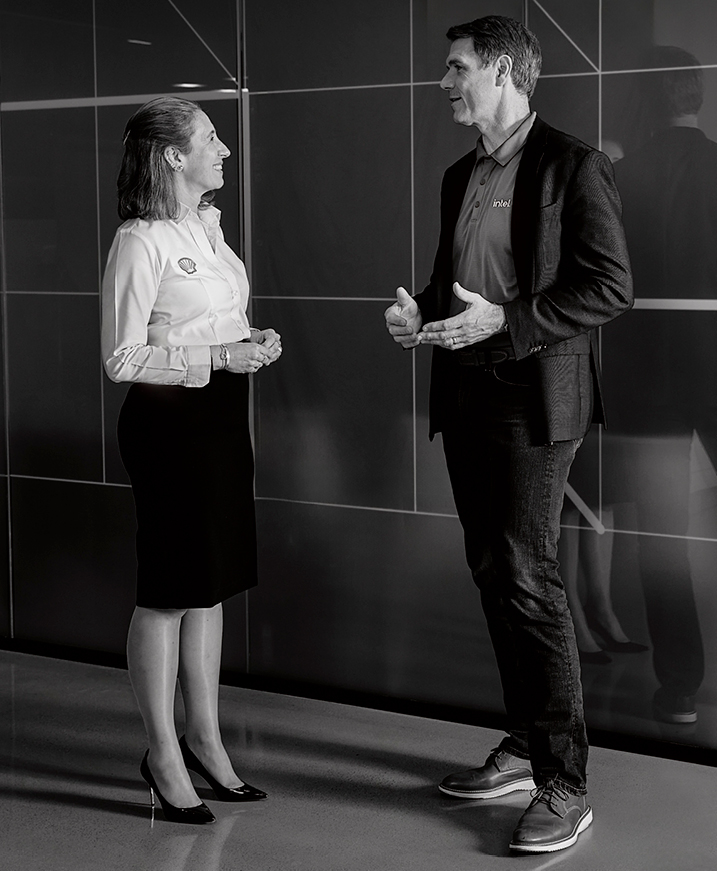
Steven Darrah and Aysun Akik didn’t expect to end up working together: one leads enterprise sales at chip manufacturer Intel in the USA; the other heads global lubricants accounts at Shell in Europe. As anyone who has got their phones wet will know, technology and fluids don’t generally mix.
Yet Darrah and Akik came together to address a shared challenge: how to ensure reliable and effective use of liquids to cool the world’s most powerful supercomputers.
What followed was an industry first. After several years of testing, Shell’s cooling fluid became the first to receive official certification from Intel.
The certification matters because it helps overcome a major hurdle: trust. For many companies, the idea of putting liquid near sensitive electronics still feels risky.
But Intel’s certification gives immersion cooling a new level of credibility, reassuring others that it’s not just safe but also ready for real-world use.
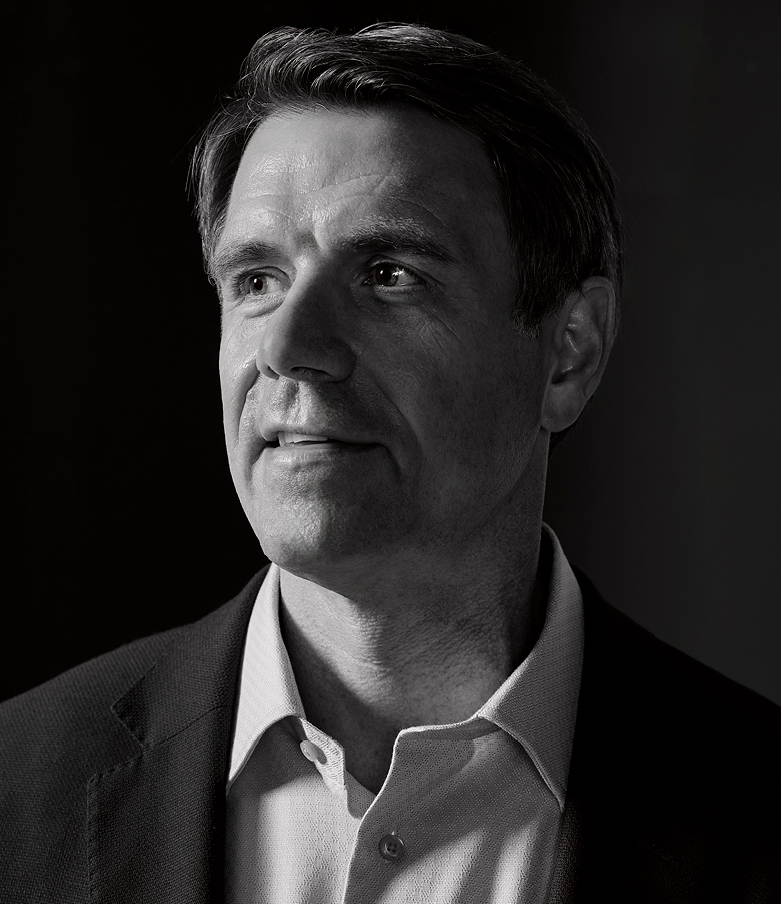
“We do different things but, culturally speaking, there’s a similarity in the types of people at both organisations, because we’re science-forward,” says Darrah, General Manager of Intel’s North American Enterprise Solution Sales. “At Intel, almost everything we do requires us to work closely with industry leaders. Shell shares that same purposeful leadership and desire to collaborate.”
Akik, Vice President of New Business Development and Global Key Accounts at Shell, adds: “If you had asked me 20 or 30 years ago, I never would have predicted we’d end up working together. But we are both now looking at the demands of tomorrow, in different sectors.”
“
We do different things but, culturally speaking, there’s a similarity in the types of people at both organisations, because we’re science-forward

DATA CENTRE DEMAND IS SOARING
Those demands are already reshaping the physical world. Vast data centres are springing up across the globe to house the servers that support our online lives and the exponential demand for AI-based processing power. These purpose-built sites need large spaces, not only to house expansive server equipment, but also to fit industrial-scale fans that effectively cool AI-powered supercomputers.
In fact, according to McKinsey, around 40 per cent of data centre energy consumption comes from turning the fans. “If you look back at US electrical consumption in 2018, 1.9 per cent of the electricity was consumed by data centres,” says Darrah. “If you fast-forward to 2028, we expect to see that number tripling. Data centre cooling is becoming this incredible draw on the grid. The industry must look for alternatives. A pivot toward liquid cooling, in some form, is essential.”
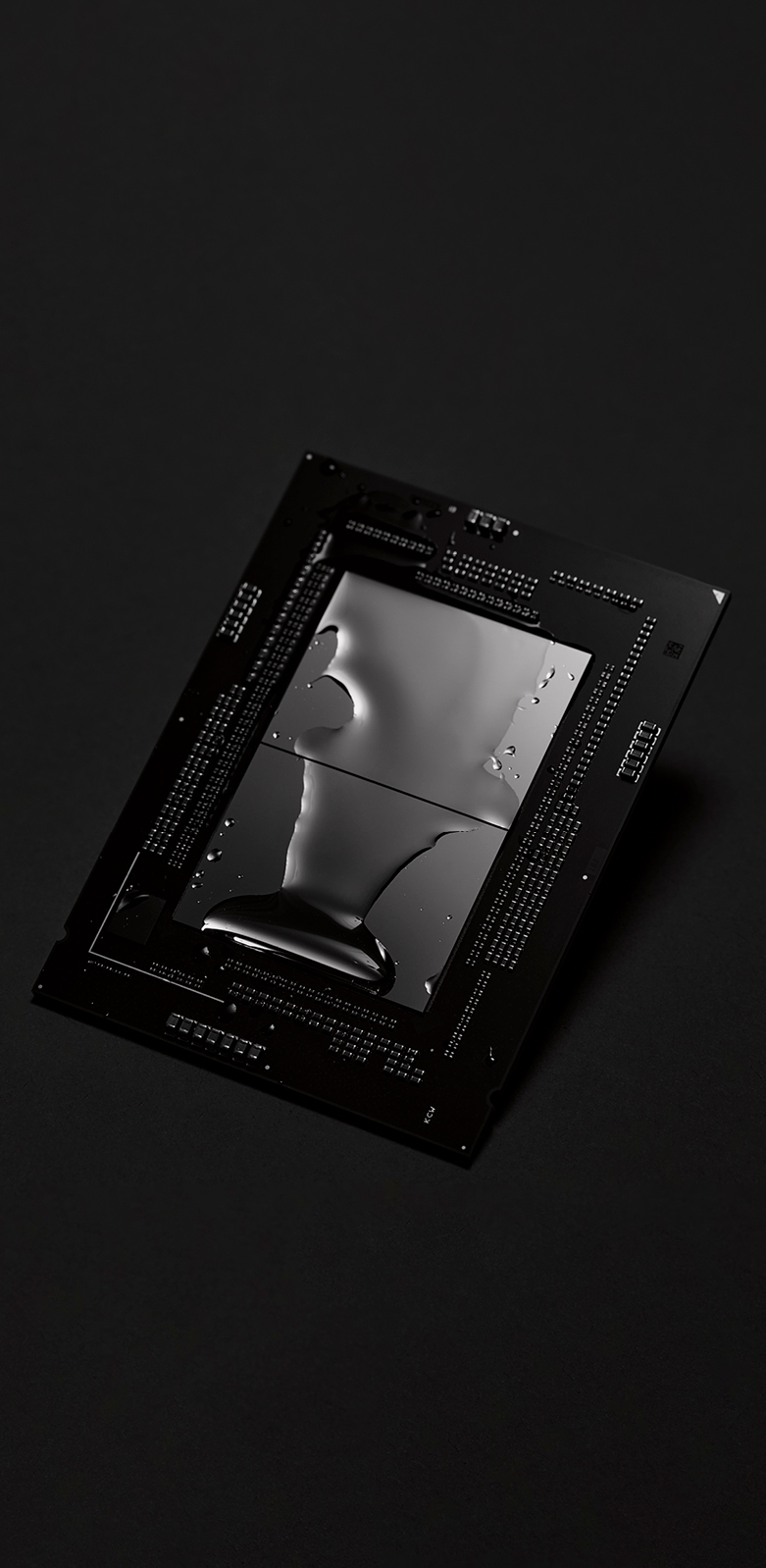
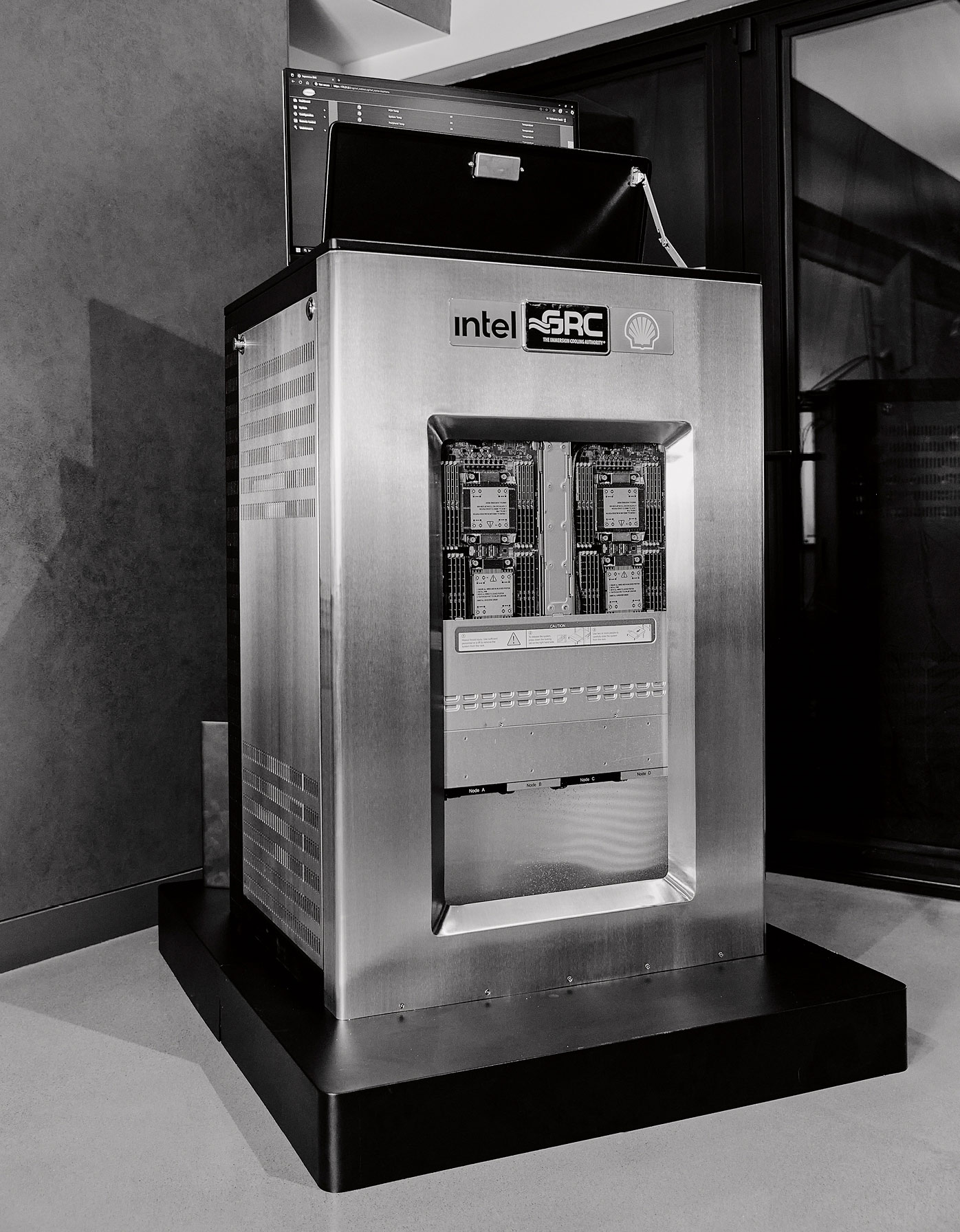
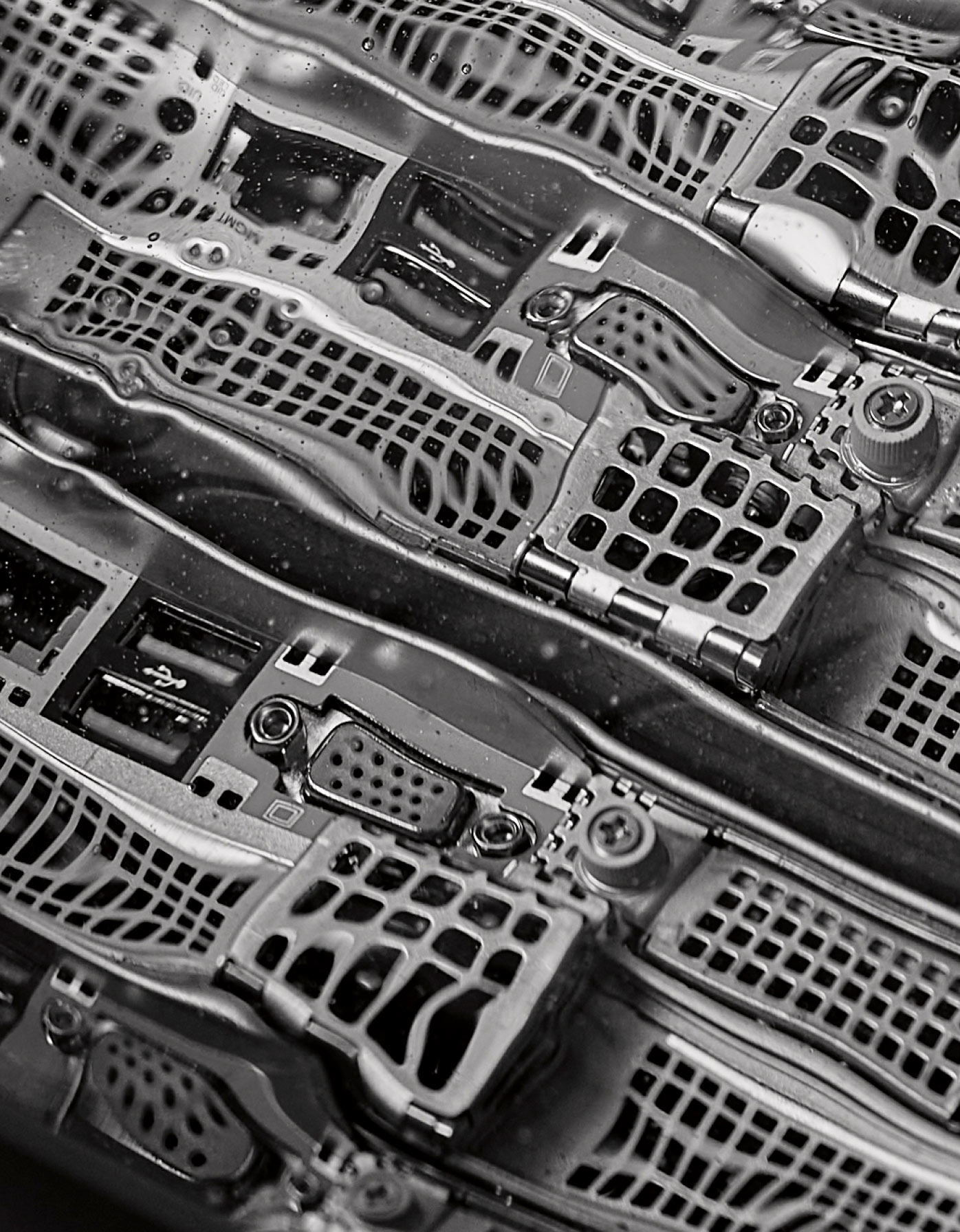
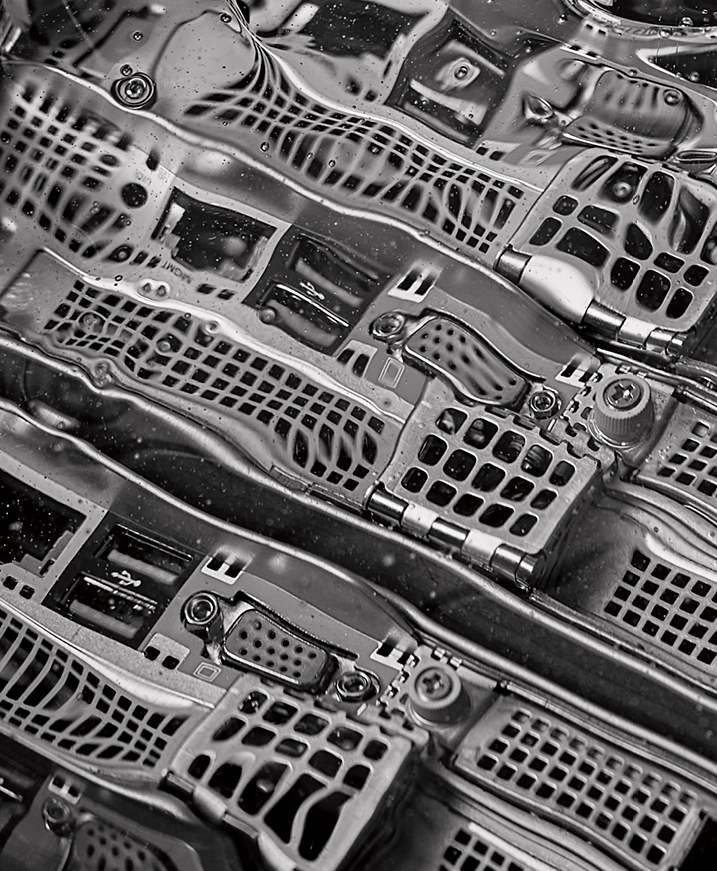
When millions of dollars’ worth of cutting-edge technology is involved, there is no room for uncertainty. “We’ve been testing Shell immersion cooling fluids with our servers, and looking at the impact on equipment that’s submerged in there,” says Darrah. “Having two industry leaders come together, collaborating on rigorous research and analysis, is critical.”
CERTIFIED CONFIDENCE
This certification milestone, Akik believes, could convince data centre managers that the time to move to the new immersion technologies has arrived. “The aim is to create confidence across the data industry. We’ve done extensive testing in our own laboratories, as well as in China, the USA, Germany and Japan, with computational modelling from our Bangalore team.”
Adopting the technology, she adds, brings multiple benefits compared with air cooling. “For manufacturers and data centres, it’s about potentially lowering the total cost of ownership, saving space and electricity, and reducing CO2 emissions.”
There are other benefits, beyond reducing space and energy demands. “Data centres are typically loud, agitating environments, where people have to have headphones on,” says Darrah. “When you walk into one that's strictly immersion cooling, it is a quiet, almost serene environment. They’re cool and calm.”
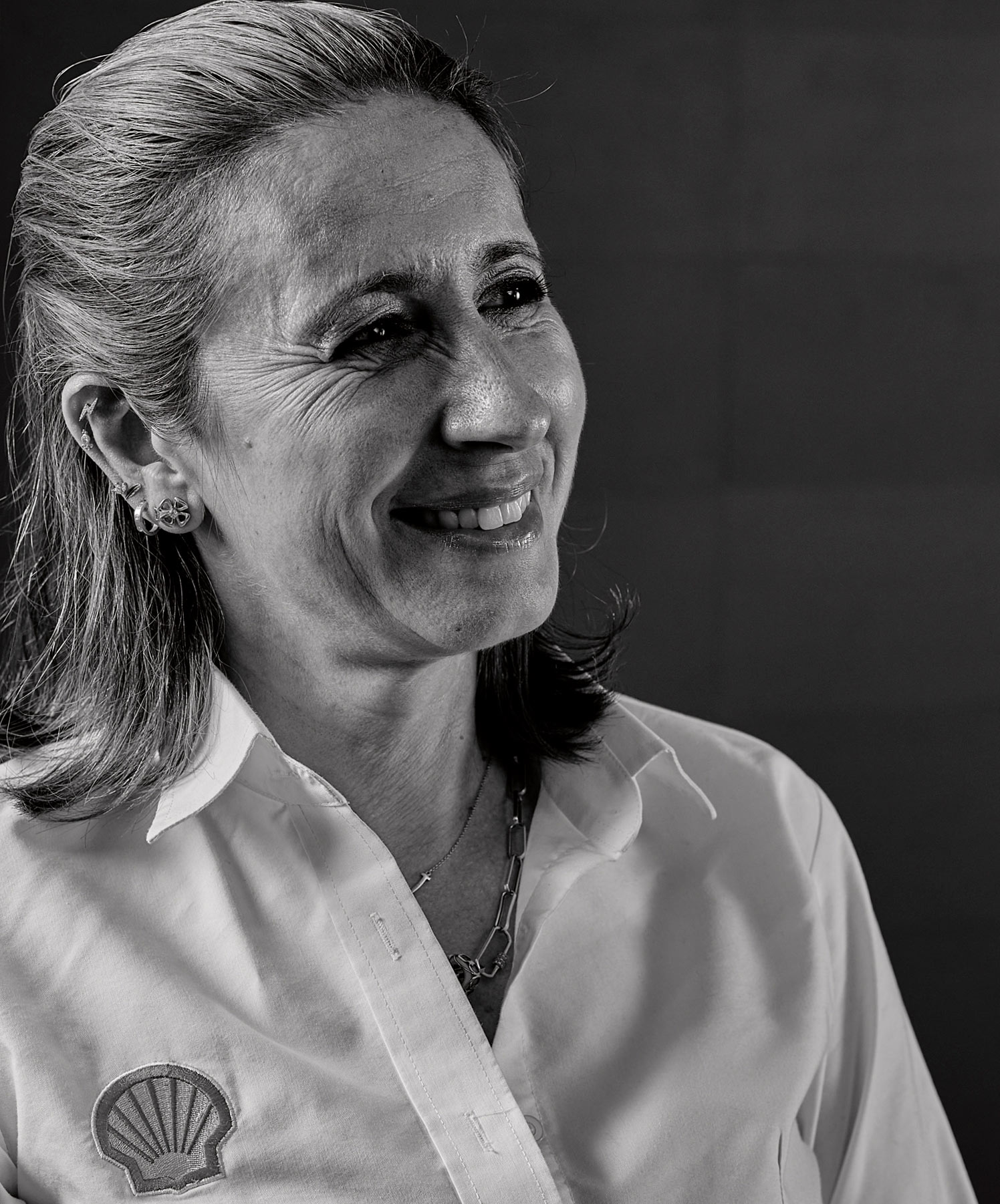
Immersion cooling can potentially boost energy efficiency and cut operational costs — a combination that, Darrah notes, can also have far-reaching benefits beyond data centres. “That’s important,” he says. “If people can use AI at a lower cost, the technology becomes accessible to more people globally.”
“
It’s about potentially lowering the total cost of ownership, saving space and electricity, and reducing CO2 emissions


In 2024, 78.2% of Shell’s global investments included oil & gas, 11.37% included low-carbon energy solutions and 10.43% non-energy products. Shell’s target is to become a net-zero emissions (NZE) energy business by 2050. Disclaimers, including NZE target: shell.com/disclaimer
Shell’s immersion cooling fluids are the first to gain recognition as Intel Data Center Certified for Immersion Cooling – affirming their compatibility with 4th and 5th Gen Intel Xeon processors. Data centres can also benefit from Intel’s Immersion Warranty Rider, which covers the use of Shell’s immersion cooling fluids. Learn More About Intel® Data Center Certified Status - Intel
LEARN MORE ABOUT SHELL’S WORK WITH INTELTHE ENDURANCE ENGINEERS
Races like Le Mans push motoring and lubricant performance to their limits, making them ideal testbeds for innovation
SHARED HORIZONS
Collaboration between an airline and its fuel supplier may help address some of the aviation industry’s challenges

REDESIGNING RACE FUEL
In a partnership driven by ambition and trust, world-leading engineers are working towards more sustainable fuel solutions for Formula 1