



SHARED
HORIZONS
Collaboration between an airline and its fuel supplier may help address some of the aviation industry’s challenges
In 2024, 78.2% of Shell’s global investments included oil & gas, 11.37% included low-carbon energy solutions and 10.43% non-energy products. Shell’s target is to become a net-zero emissions (NZE) energy business by 2050. Disclaimers, including NZE target: shell.com/disclaimer


In 2024, 78.2% of Shell's global investments included oil & gas, 11.37% included low-carbon energy solutions and 10.43% non-energy products. Shell's target is to become a net-zero emissions (NZE) energy business by 2050. Disclaimers, including NZE target: shell.com/disclaimer
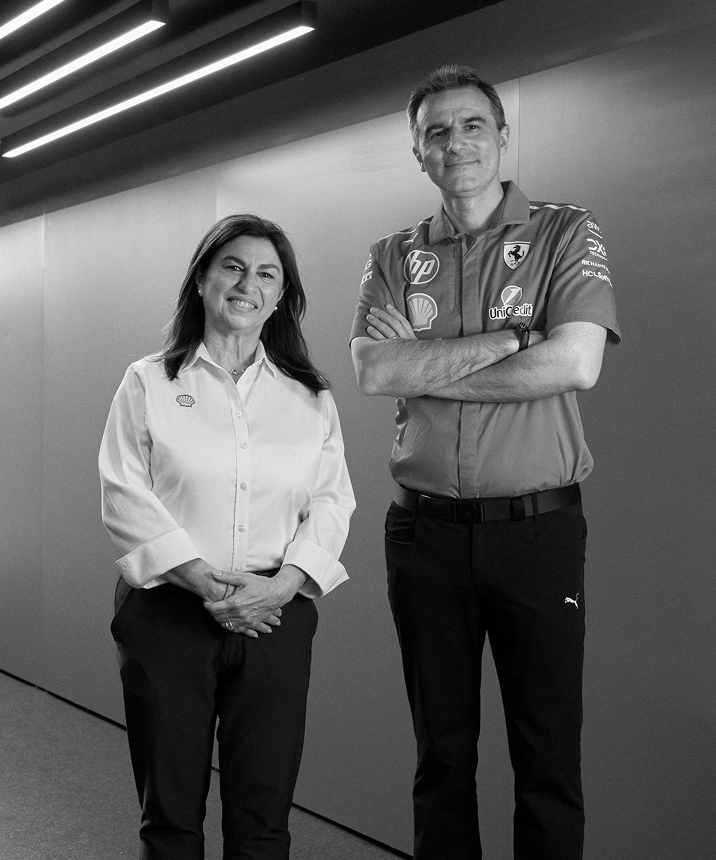
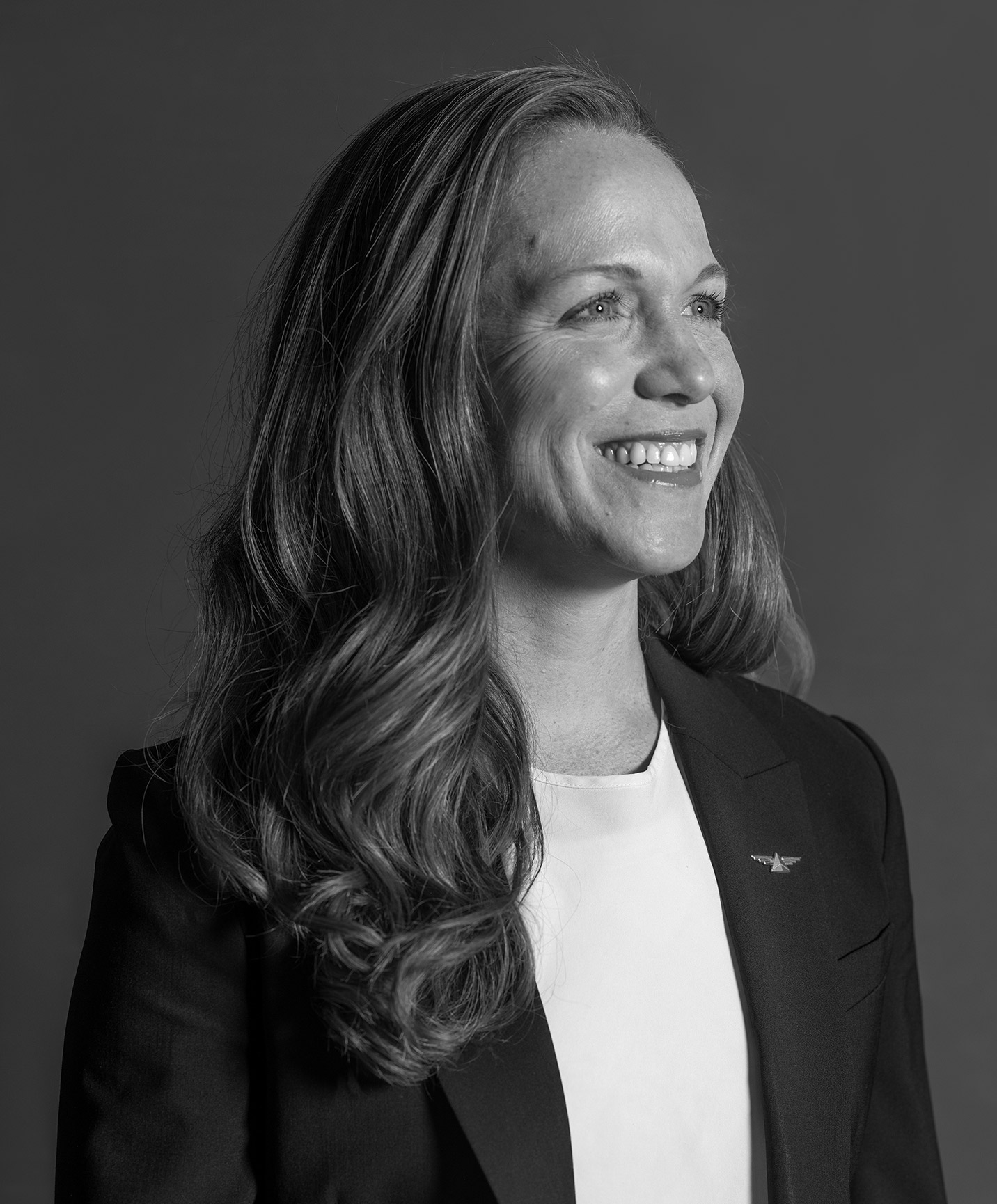
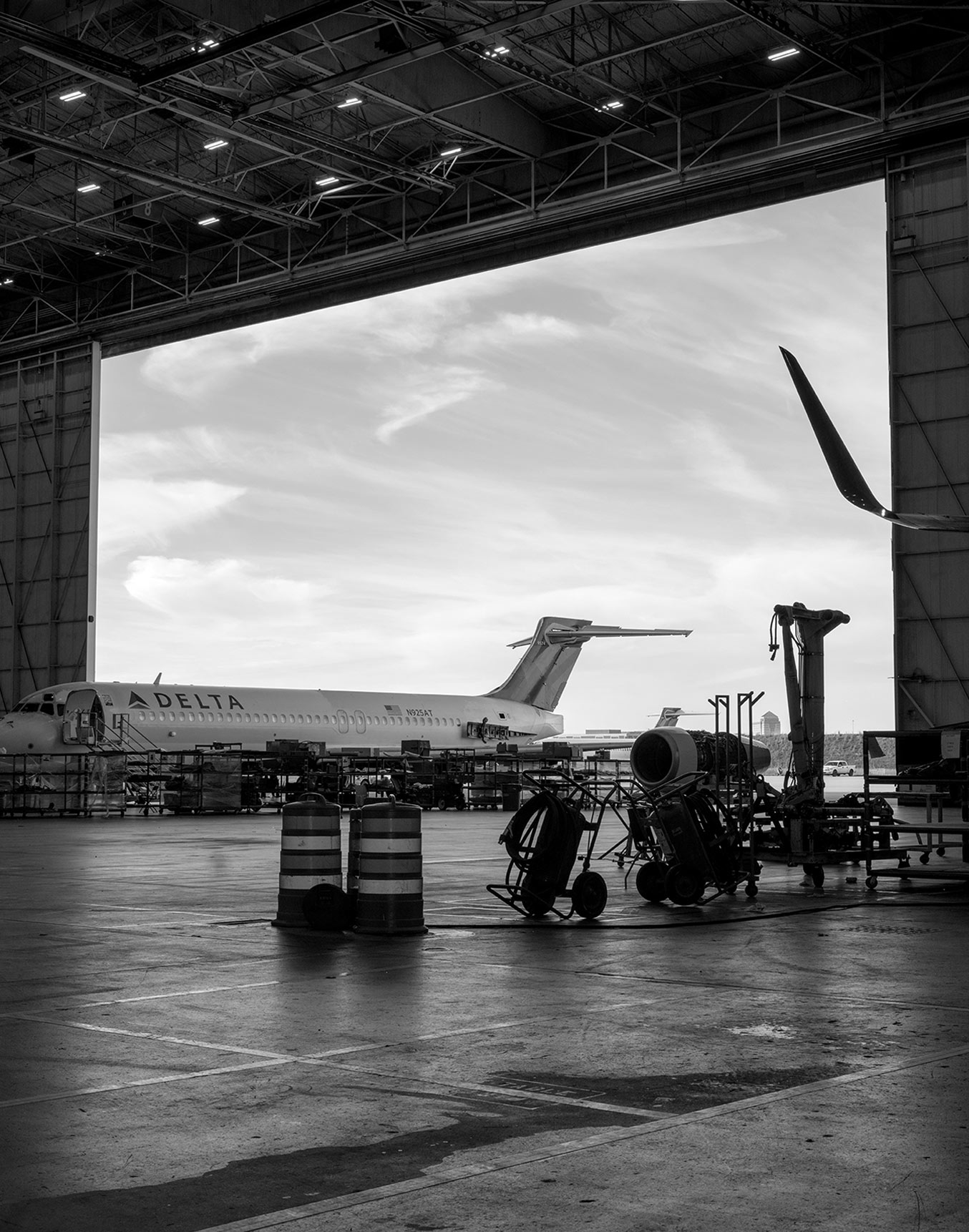
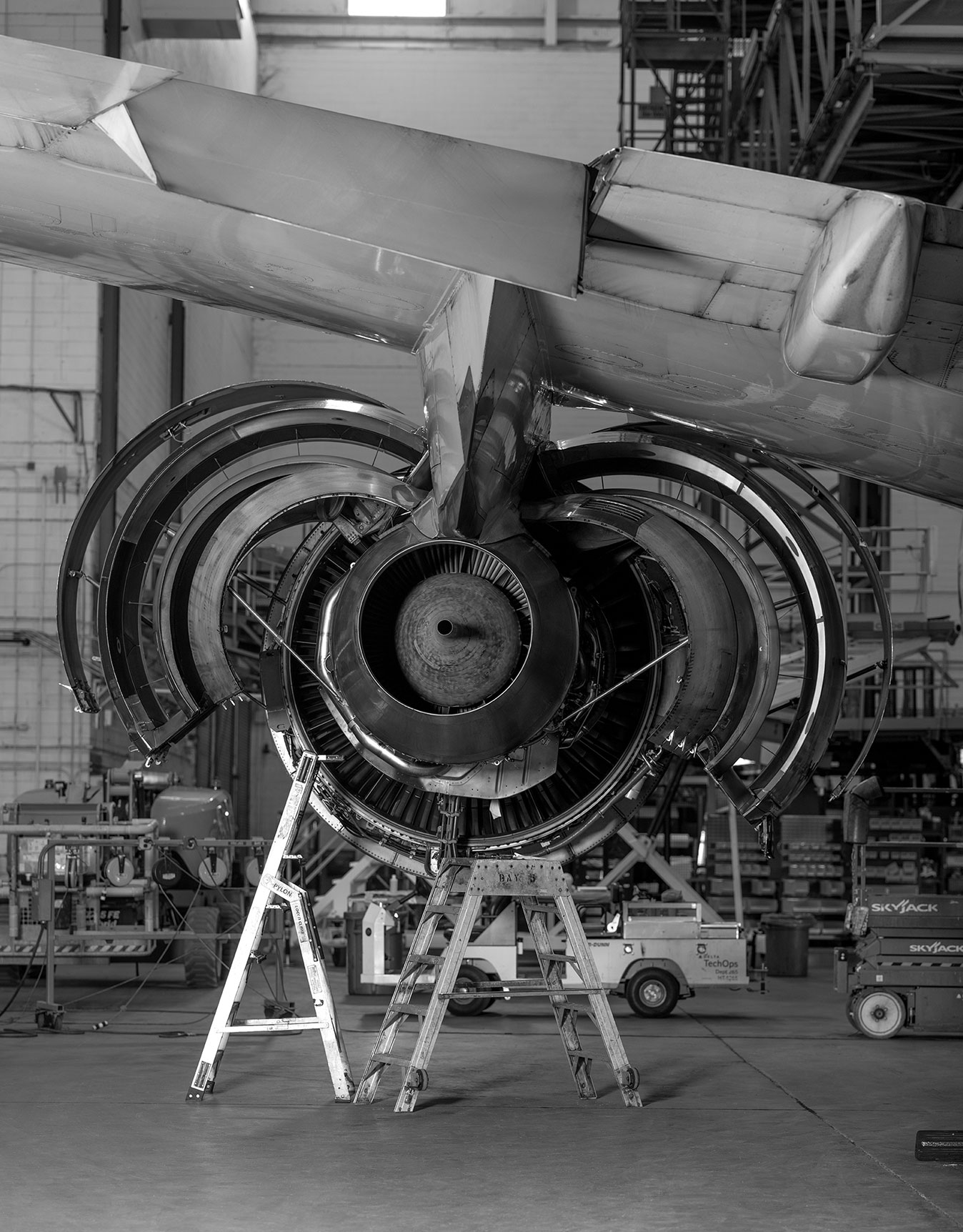
In a vast maintenance hangar in the US city of Atlanta, Amelia DeLuca and Reema Bari stand together. “Delta Air Lines and Shell have a long-standing history, starting with conventional jet fuel,” says Bari, Shell’s Head of Aviation Americas. “In each other, we have found allies with similar objectives, including in sustainable aviation fuel.”
For DeLuca, Delta’s Chief Sustainability Officer, addressing some of the aviation industry’s challenges requires deep trust. “When a proposal or a problem involves Shell, it takes a weight off my shoulders,” she reflects. “I know they’ll approach it with, ‘We’re going to solve this problem together’.”
The industry’s immediate pressures are familiar: volatile energy markets, changing regulations and the growing demand for more sustainable practices – including how to make flying more fuel-efficient. “We’re using less jet fuel every day. And every new aircraft is 20 to 25 per cent more efficient,” says DeLuca of the incoming Airbus A321neo and A220 aircraft. But efficiency only goes so far. “It’s also the fuel we use.”
“
When a proposal or a problem involves Shell, it takes a weight off my shoulders
SEEKING SUPPORT
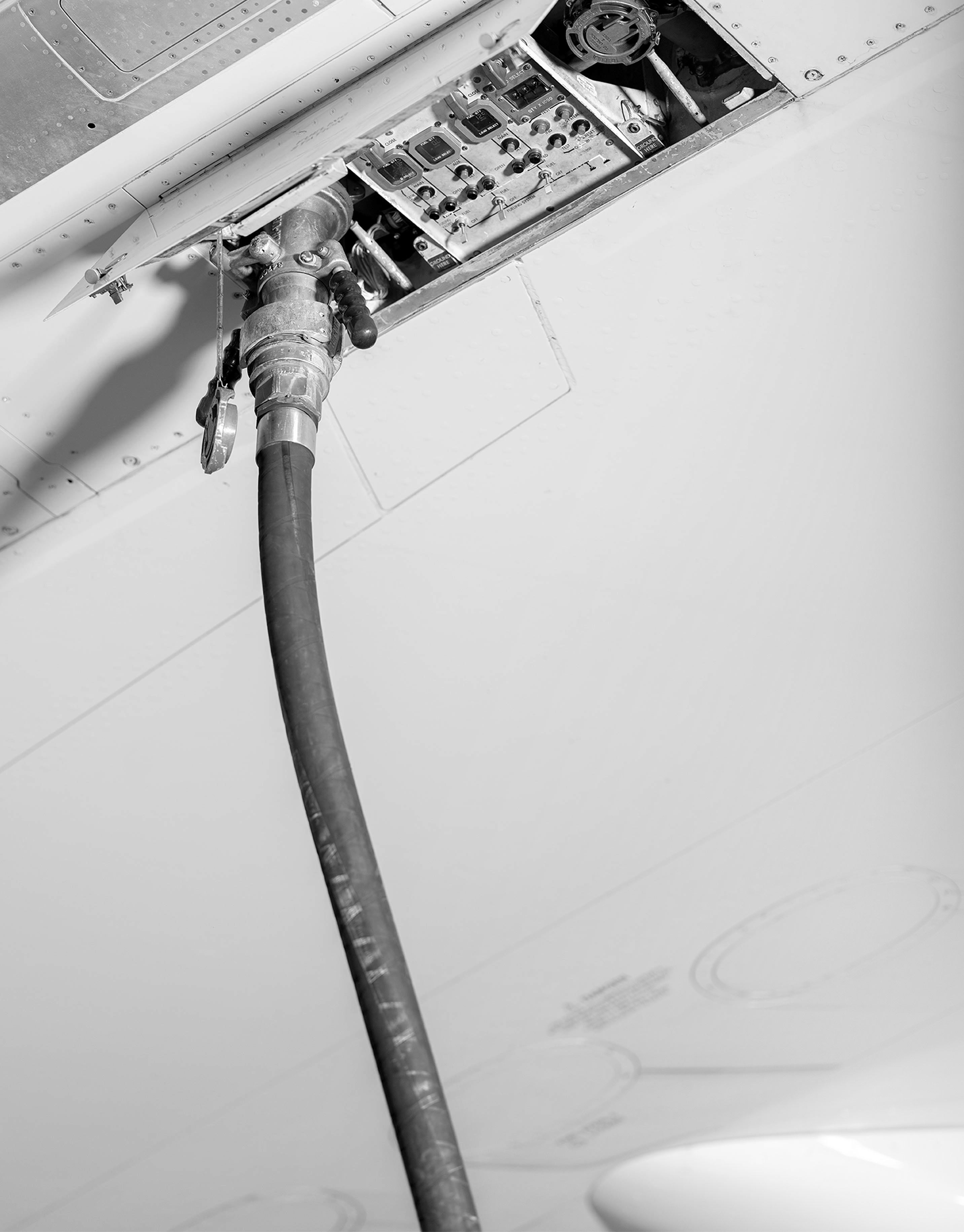
Delta and Shell are working together to use more sustainable aviation fuel (SAF). SAF is made from renewable and waste-based sources such as used cooking oil, bio-waste fats and oils, and non-food oilseed crops such as winter camelina. “As a drop-in fuel, SAF can already be used in current aircraft today, blended up to 50 per cent with conventional fuel, without having to make any changes to existing fleets or infrastructure,” Bari explains. “If there’s something we can do today, we want to do it today, even if it’s challenging.”
Yet SAF is scarce and expensive to produce. In 2025, SAF production was expected to reach 0.7 per cent of total global jet fuel production, according to the International Aviation Travel Association. While Shell’s supply refuels an aircraft roughly every 20 seconds and it also helps to blend and supply SAF at more than 80 airports in 18 countries, SAF still represents a small portion of its supply. And scaling SAF globally is still a long way off. This, DeLuca acknowledges, will require policy support, infrastructure investment and industry-wide collaboration. “Any time we seek to utilise SAF in a new market, the logistics are always challenging, and Shell has been with us throughout,” she says.
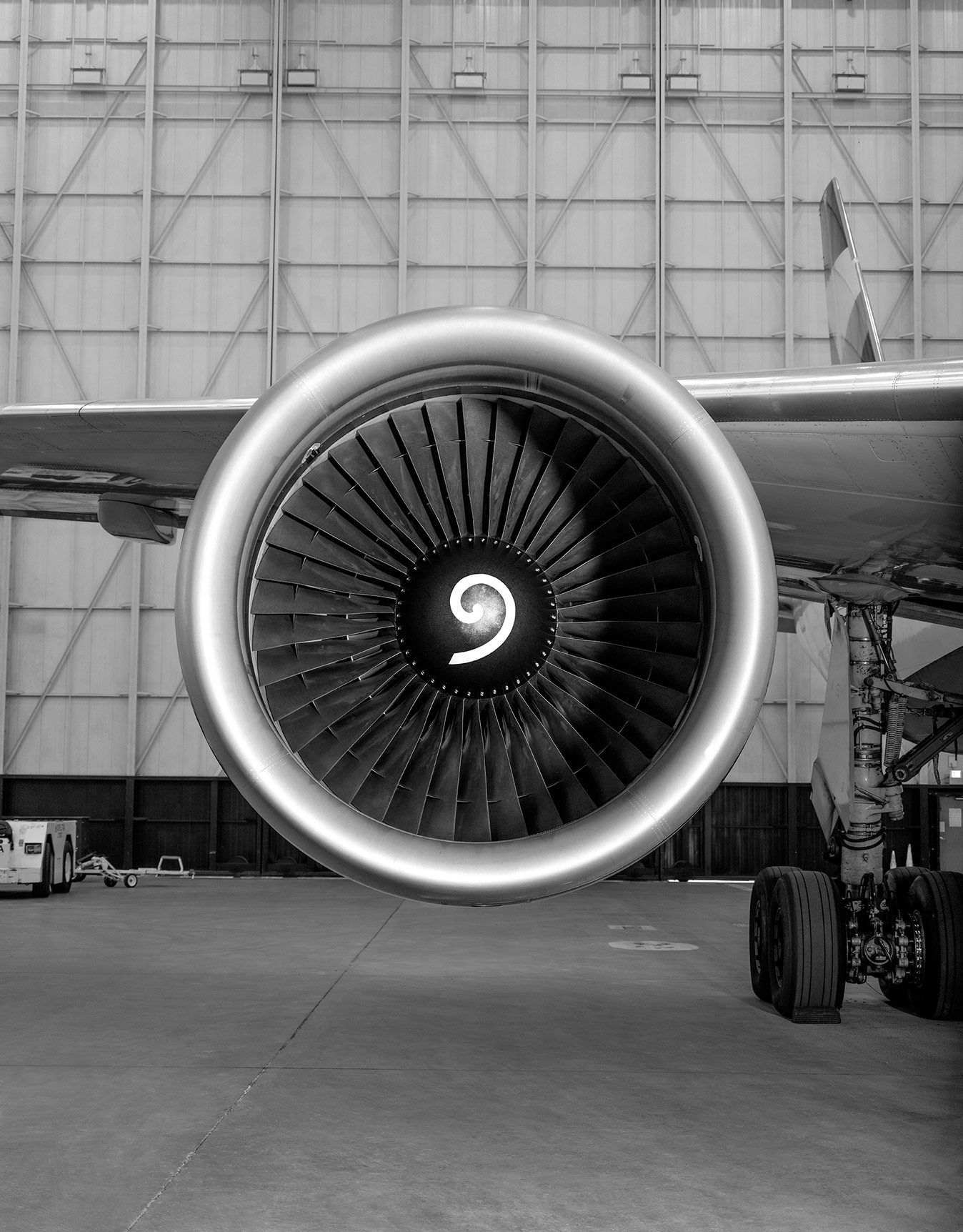
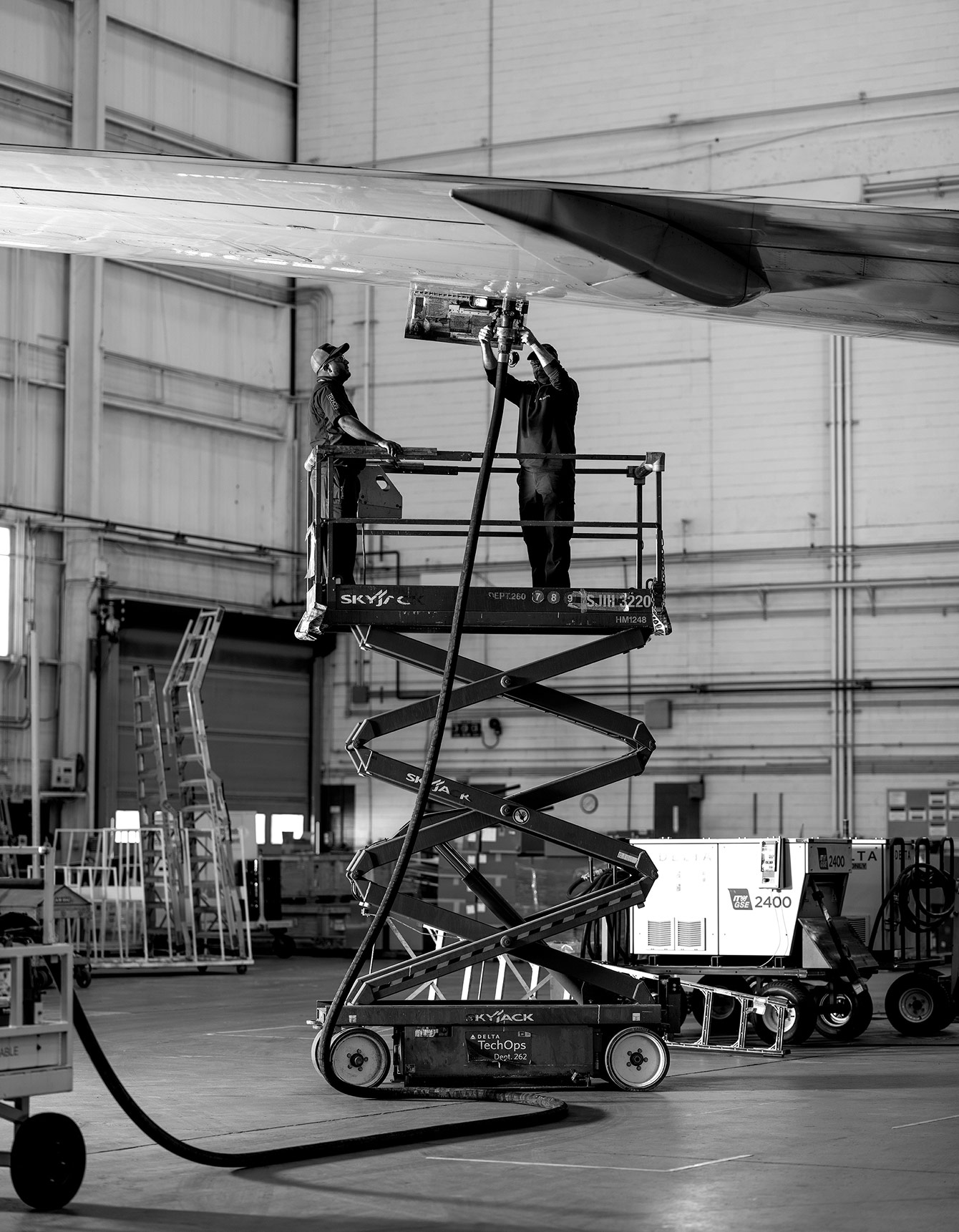
In 2024, Shell collaborated with Montana Renewables, a company which converts renewable feedstocks into alternative fuels. Together they produced SAF from winter camelina, providing a supply which Delta could access. The SAF was then blended by Shell and supplied into Minneapolis-Saint Paul International Airport in Minnesota.
DeLuca recalls asking Shell at the time: “We have access to these camelina seeds, can you help us? Can we get it crushed, can we get it turned into jet fuel?” The question was practical, not rhetorical. It demanded supply-chain choreography across farming, crush facilities, refining, blending, quality assurance and airport fuel systems.
“
In each other, we have found allies with similar objectives

SHARED VALUES
More widely, Shell is also innovating with Avelia, a book and claim platform launched in 2022, with the aim of scaling SAF and providing wider access to the GHG (greenhouse gas) benefits of SAF across the aviation value chain. “Book and claim is an important enabler,” says Bari. “It allows those who are interested in financially supporting SAF development to do so, even if physical accessibility of SAF is limited.”
Both companies know the challenges ahead are huge – but so too are the opportunities. SAF is expensive and scarce. Infrastructure needs upgrading. Policy must keep pace. But Shell and Delta are working together to help find solutions and allow relevant expertise to be shared. “There are no simple answers, but Shell has innovated with aviators for over 100 years, and we’ve overcome challenges before,” says Bari. “When we look back at this period in aviation history, this could be another such moment.”
In 2024, 78.2% of Shell’s global investments included oil & gas, 11.37% included low-carbon energy solutions and 10.43% non-energy products. Shell’s target is to become a net-zero emissions (NZE) energy business by 2050. Disclaimers, including NZE target: shell.com/disclaimer
LEARN MORE ABOUT SHELL AND DELTATHE ENDURANCE ENGINEERS
Races like Le Mans push motoring and lubricant performance to their limits, making them ideal testbeds for innovation
FLUID THINKING
Collaborative research has led to the first certification by a major chipmaker for a cooling liquid that could help tackle data centre power demand
REDESIGNING RACE FUEL
In a partnership driven by ambition and trust, world-leading engineers are working towards more sustainable fuel solutions for Formula 1