




THE
ENDURANCE
ENGINEERS
Races like Le Mans push motoring and lubricant performance to their limits, making them ideal testbeds for innovation
In 2025, 80.85% of Shell’s global investments included oil & gas, 9.58% included low-carbon energy solutions and 9.58% non-energy products. Shell’s target is to become a net-zero emissions (NZE) energy business by 2050. Disclaimers, including NZE target: shell.com/disclaimer
In 2025, 80.85% of Shell’s global investments included oil & gas, 9.58% included low-carbon energy solutions and 9.58% non-energy products. Shell’s target is to become a net-zero emissions (NZE) energy business by 2050. Disclaimers, including NZE target: shell.com/disclaimer
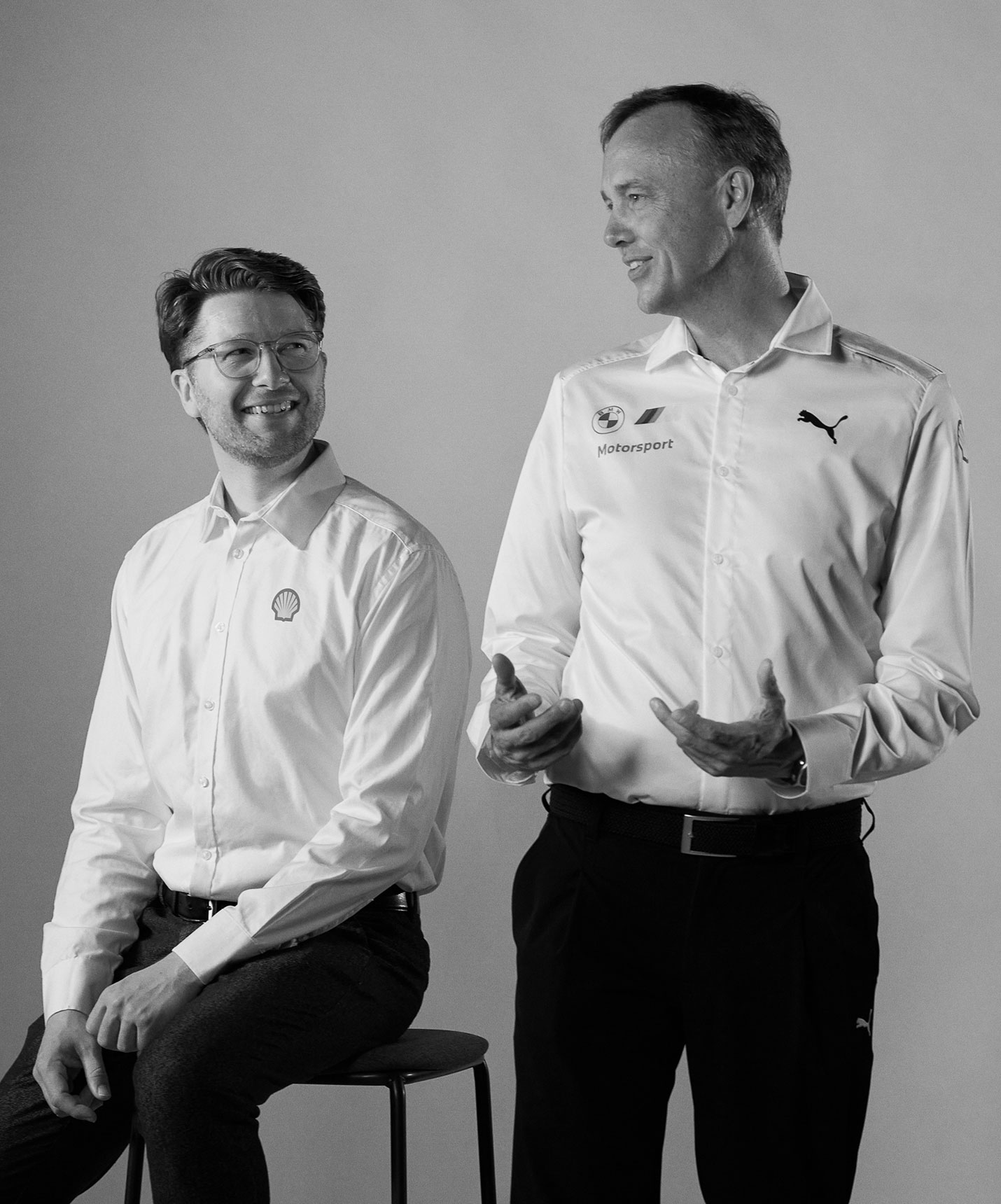
“Motorsport is a volatile business, and one that presents constant challenges,” says Achim Klein. “During a race, we need to adapt strategies to handle unforeseen issues. We try to have a backup for any scenario.”
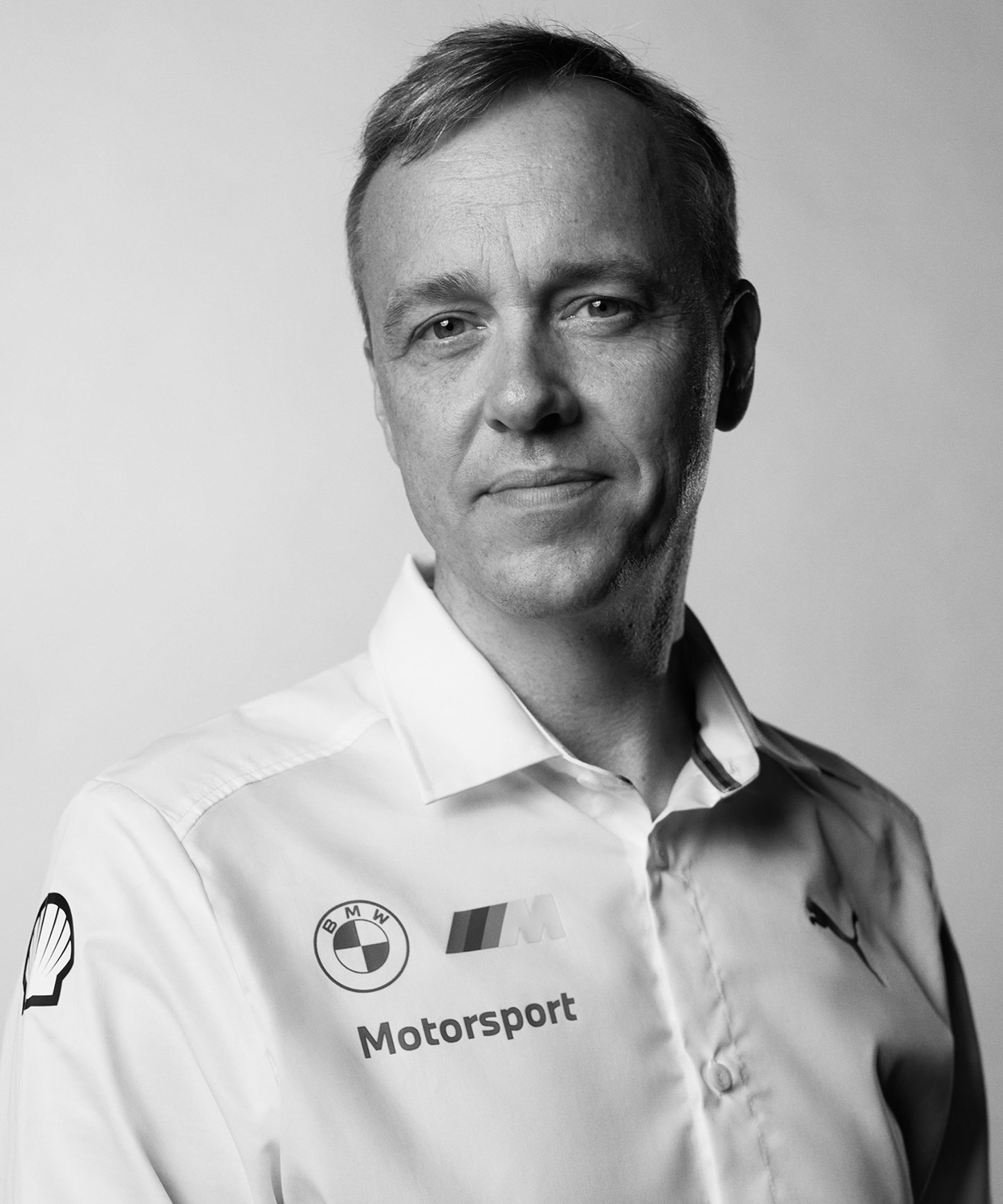
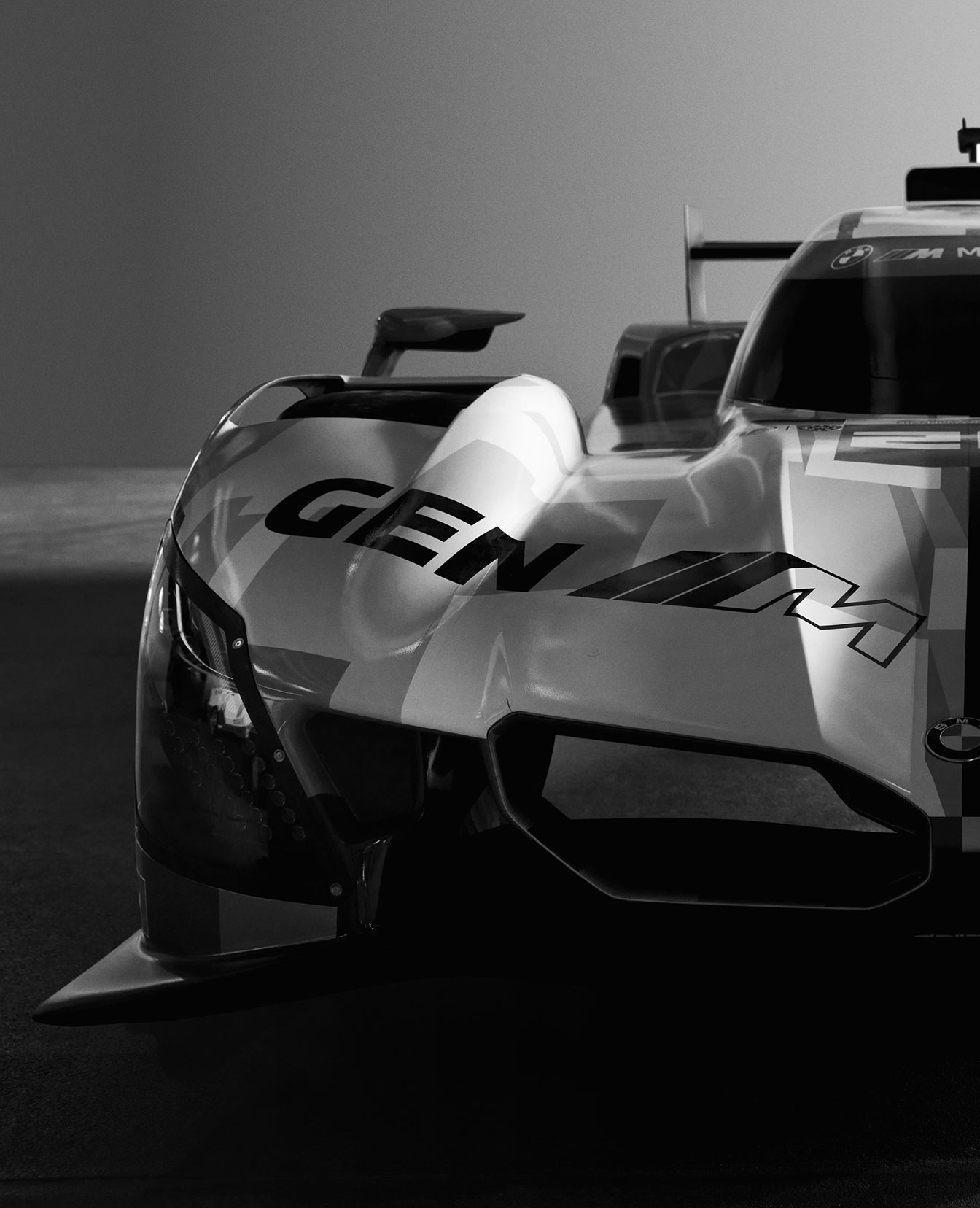
Klein is Program Manager for BMW M Hybrid V8/LMDh*. His task is to ensure his team delivers winning performances from BMW M Motorsport.
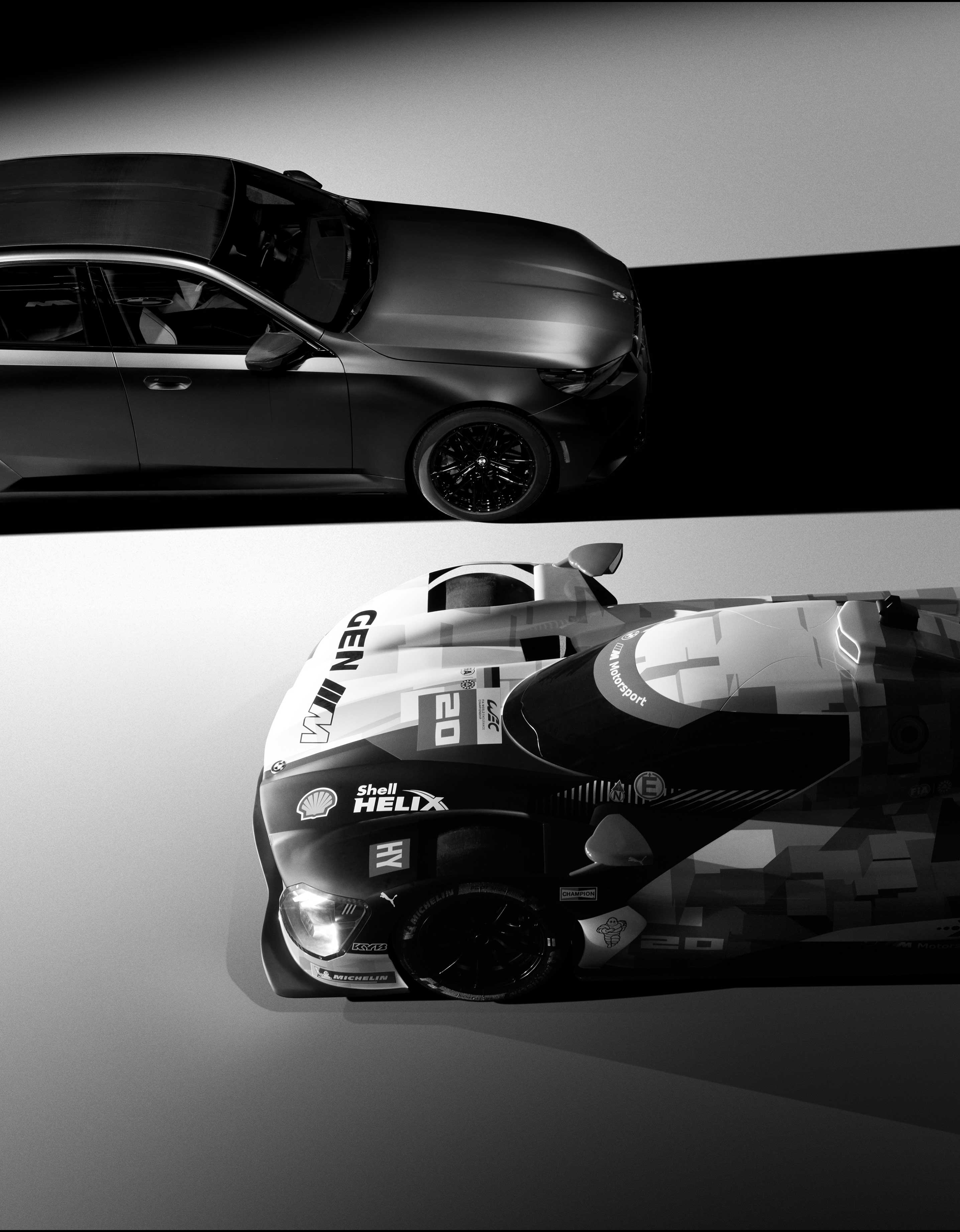
This is the German carmaker’s high-performance and racing division whose race cars compete under some of the world’s most extreme conditions.
Le Mans, the legendary 24-hour race that takes place in northwestern France every June, is perhaps the ultimate test of that endurance, prompting manufacturers to develop new technology to give their drivers any meaningful advantage.
*Le Mans Daytona h
“
Wherever there’s a stress point in the engine, there must be a lubricant there to protect it

“Engines have to undergo around 30 restarts after pit stops,” says Klein. “The amount of wear and tear to moving components can dictate whether the race is won or lost. One of the only ways we can reduce the many uncertainties we face is by choosing partners that we trust.”
BMW M Motorsport’s collaborators include Gösta Möller, Shell’s Engine Oil Development Scientist, based at the Shell Technology Centre Hamburg in Germany.
Möller’s father is a specialist in marine lubricants, his grandfather owned a fuel station, and he has long nurtured a passion for cars and technology. Now he is applying his own expertise to the race track.
A close collaboration between Shell and BMW M Motorsport, beginning in 2015 and renewed in 2025, has seen Möller embedded with the team for the past year. He plays a crucial role in developing and improving Shell’s engine lubricants, which are then used in BMW M Motorsport’s race and road cars.
“Gösta’s input in the development of the lubricants is exceptional,” says Klein. “He asks questions we’d never think of – the unknown unknowns, such as which measurements are we missing to really understand oil performance?
As a car manufacturer, we produce mechanical engineering; in fields such as lubricants, we need strong allies. The research and development collaboration between BMW M Motorsport and Shell is very deep, founded on a common way of thinking that makes it easy to find solutions together.”
Möller explains how “wherever there’s a stress point in the engine, there must be a lubricant there to protect it”. He points to BMW M Motorsport’s success at the 2026 Spa-Francorchamps circuit in Belgium: “They took first and second place after six hours of racing, and the advantage over third position was around two seconds.
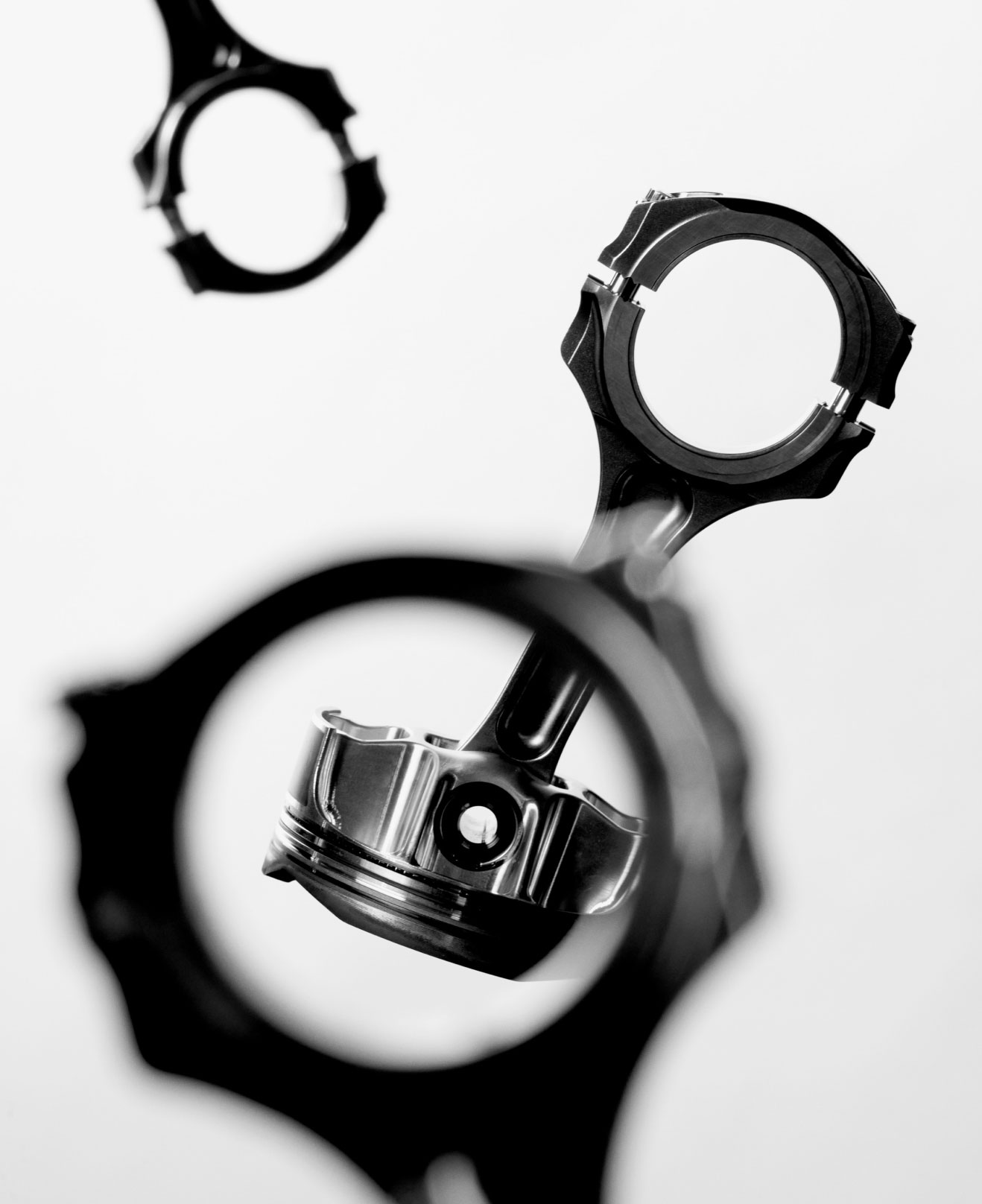
At those kinds of margins, it’s fair to say the lubricant can make the difference between competing and winning.” And the engineering margins really couldn’t be slighter: “Take the friction contact between the piston ring and the liner,” adds Möller. “In between those two parts, there’s a lubricant film with a thickness of one to three micrometres – a human hair is around 70.”
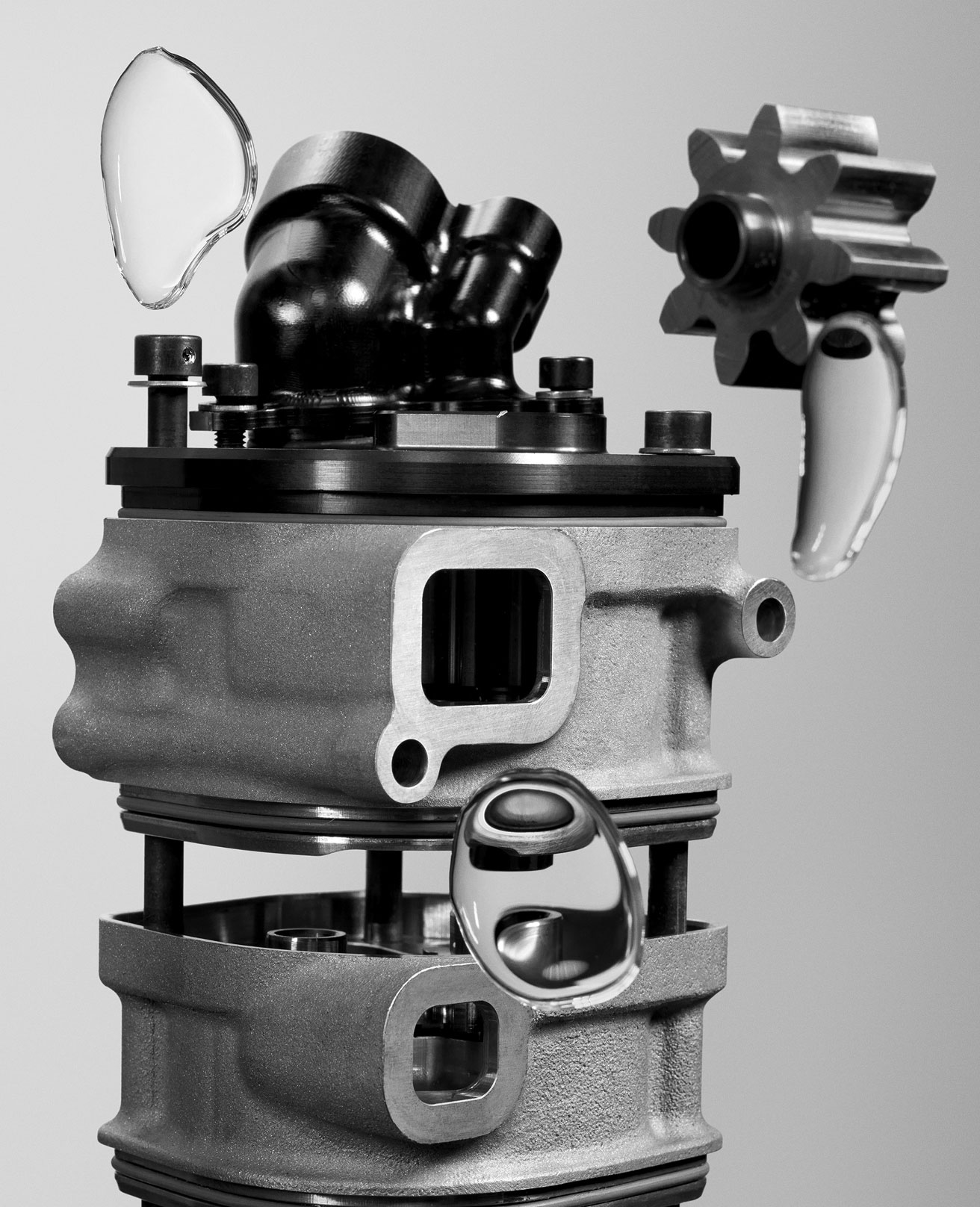
Lubricants are emerging as an important part of motorsport’s push to reduce emissions, both by improving efficiency and supporting new technologies.
“This year, we are introducing a more sustainable lubricant for race cars, using re-refined base oils, which are high-quality base stock recovered from used oils,” says Möller.
“Beyond engine oils, we also produce gear lubricants, greases and thermal fluids: products that are increasingly relevant not just for combustion engines but also for electric cars.”
Klein adds: “We are working hard on every part of the motorsport business to show that we can be more sustainable. We’re trying to increase the fuel efficiency of the cars, and this is where lubricants come in – because if you reduce friction, you run the same power with less energy.”
“
We are working hard on every part of the motorsport business to show that we can be more sustainable
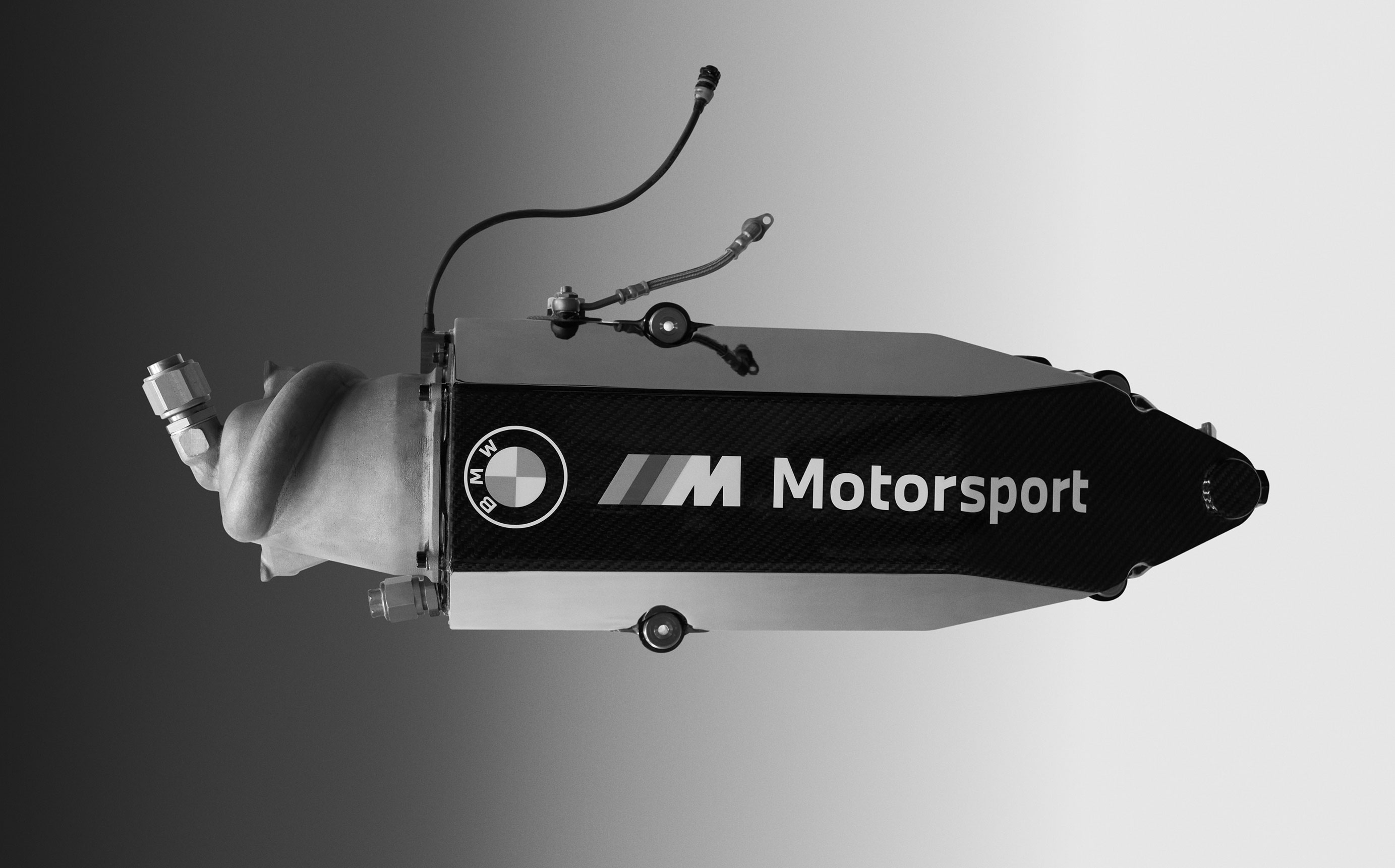
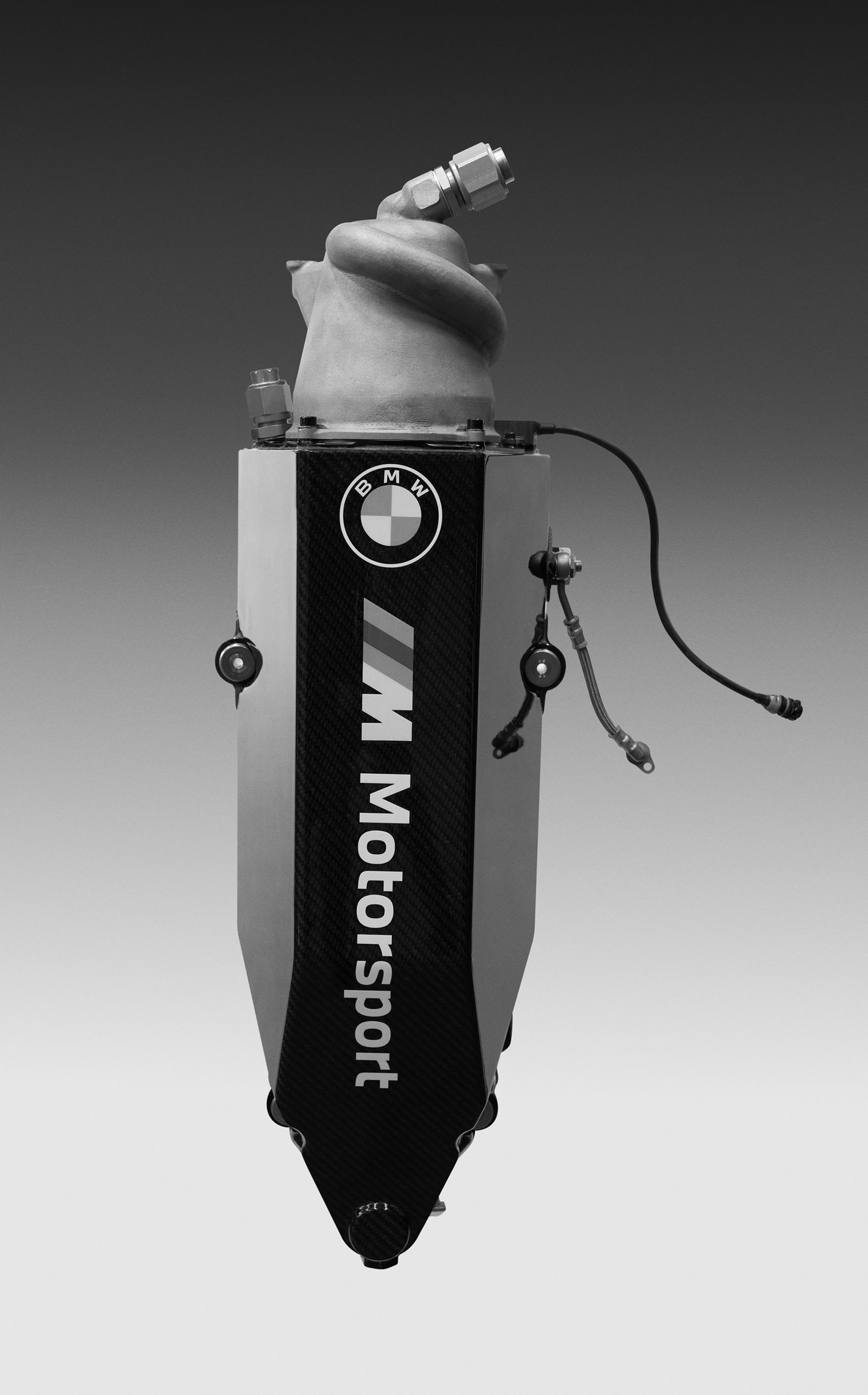
“We have an open, natural communication channel,” says Möller of his BMW M Motorsport colleagues. “And that means we can have the conversations we need to – even difficult ones.” Both recognise that motorsport’s extreme conditions can be a fertile testing ground for technology that also filters down to consumer vehicles. Turbocharging, which uses exhaust gases to force more air into the engine and boost power, is one such example: refined under racing pressures, it demanded advances in lubricant performance to manage higher heat and prevent deposits, helping to make it reliable for everyday road cars.
“BMW M Motorsport calls it ‘race on Sunday, road on Monday’,” Klein says. “We have a lot of opportunities to test new products under the highest pressure, and we get results quickly.” These race-to-road learnings have helped to boost Shell’s new generation of lubricants and cooling fluids. Möller concludes: “In motorsport there is little constraint on what we can do. We have fast turnaround times and can innovate quickly. We can try new, exciting ideas and the best of those can find their way to the road.”

In 2025, 80.85% of Shell’s global investments included oil & gas, 9.58% included low-carbon energy solutions and 9.58% non-energy products. Shell’s target is to become a net-zero emissions (NZE) energy business by 2050. Disclaimers, including NZE target: shell.com/disclaimer
LEARN MORE ABOUT SHELL AND BMW M MOTORSPORTSHARED HORIZONS
Collaboration between an airline and its fuel supplier may help address some of the aviation industry’s challenges

FLUID THINKING
Collaborative research has led to the first certification by a major chipmaker for a cooling liquid that could help tackle data centre power demand
REDESIGNING RACE FUEL
In a partnership driven by ambition and trust, world-leading engineers are working towards more sustainable fuel solutions for Formula 1